Custom Fence Installation Solutions for Residential and Commercial Properties
Custom fence installation solutions play a vital part in transforming both residential and commercial properties. They deliver security, privacy, and curb appeal while defining property boundaries. With various materials available, property owners can choose solutions suited to their specific needs. Skilled installation ensures full compliance with local building codes. Still, the value reaches well beyond the installation itself—understanding how to choose the right design and material can greatly impact the property's value. What factors should one consider when making these choices?
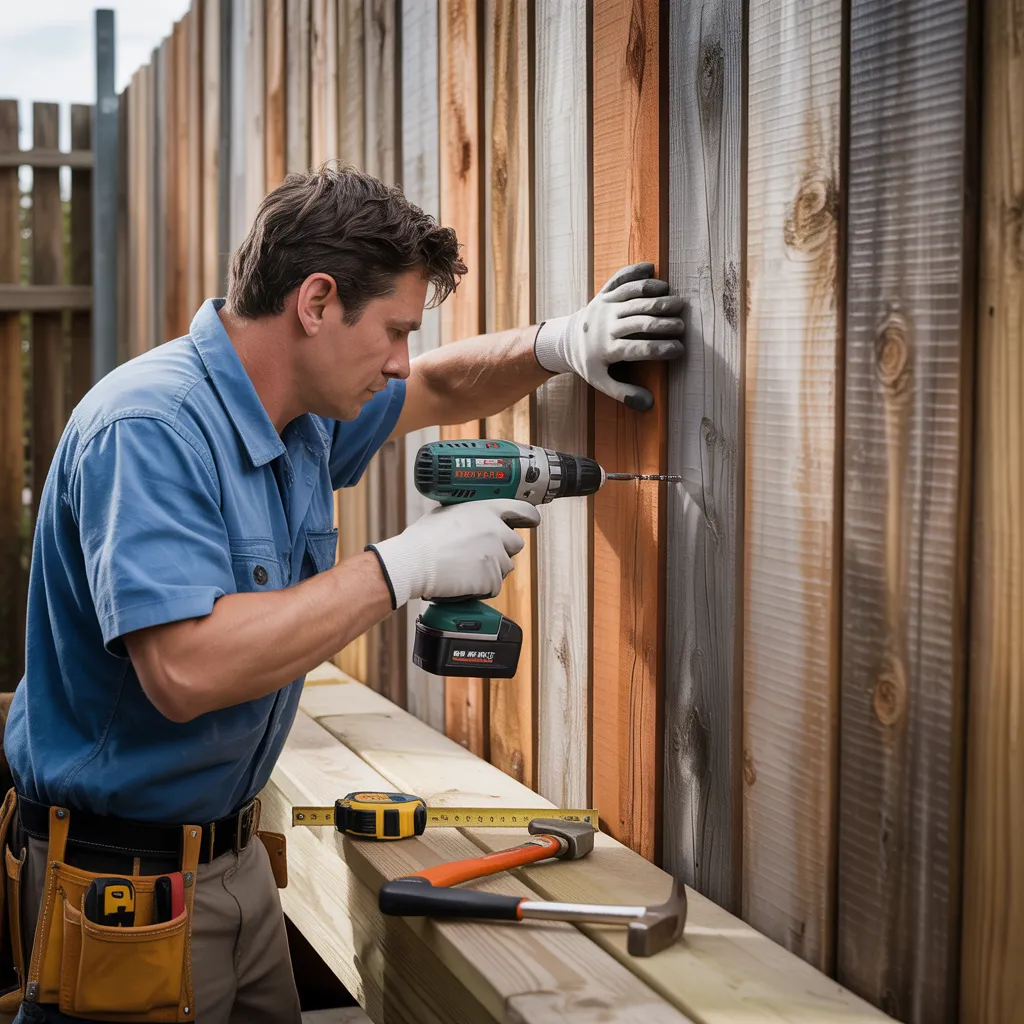
Why Custom Fencing Is Vital for Your Property
When considering residential upgrades, numerous homeowners realize that custom fences are not merely an aesthetic choice but a critical investment. Custom fences deliver multiple benefits that go beyond aesthetics. They strengthen protection by forming a tangible barrier that deters intruders and protects children and pets. Furthermore, these fences ensure privacy, enabling homeowners to experience their outdoor spaces away from unwanted attention.
Moreover, custom fences can establish property boundaries, preventing disputes with neighbors and maintaining conformity with local codes and ordinances. They also contribute to the general market value of the property, making it more appealing to potential buyers.
When it comes to functionality, custom fences can be designed to fulfill unique demands, such as access gates for convenience or details that elevate the property's landscape design. In the end, committing to a custom fence proves to be a thoughtful choice that offers numerous benefits, elevating both the overall utility of the property and the property's visual charm.
Popular Fencing Materials Compared: Wood, Vinyl, and Metal
When considering fencing materials, metal, wood, and vinyl each offer distinct advantages and disadvantages. Cost comparisons reveal notable distinctions in upfront costs and long-term upkeep costs. Recognizing these elements can enable property owners make informed decisions tailored to their needs.
Benefits And Drawbacks
A variety of fencing materials, encompassing wood, vinyl, and metal, each offer notable strengths and weaknesses that tend to shape the preferences of a homeowner. Wood is widely selected for its natural aesthetic and versatility but calls for ongoing attention to prevent decay and pests. Vinyl, by comparison, is minimal in upkeep and durable against weathering and insects, rendering it a reliable long-lasting choice; however, it might not capture the classic charm of wood. Metal barriers, such as aluminum or wrought iron, offers robust protection and durability but tends to require a larger investment and could demand intermittent care to resist oxidation. All materials display their own attributes, enabling homeowners to evaluate their particular requirements and desires when determining the best fencing alternative.
Price Comparisons
As homeowners commonly emphasize visual appeal and usability in the process of selecting fence materials, expenses remain a key element in the decision-making process. Timber fencing commonly provides a lower initial investment yet demands regular upkeep, potentially driving up total expenditures. In contrast, vinyl fences, although pricier upfront, offer durability and minimal upkeep, rendering them a financially smart selection over the years. Metallic fencing options, such as aluminum and steel, usually carries a higher initial cost though is celebrated for its lasting strength and weather resistance, consequently lowering anticipated maintenance costs. Ultimately, the total cost of ownership—considering setup costs, maintenance needs, and longevity—should guide homeowners in selecting the most suitable fencing material for their homes or business properties.
Choosing the Right Fence Design for Your Yard
Choosing the ideal fence option for a home can greatly enhance both the aesthetics and functionality of a home. Homeowners and property managers must evaluate a number of considerations when selecting a style, including the primary function of the fence, regional guidelines, and the design aesthetic of the home. Fences designed for privacy, for one thing, are perfect for creating sheltered outdoor areas, while classic picket-style fences often enhance the property's appearance and deliver a welcoming look.
The selection of materials also plays an important role; wood delivers a timeless aesthetic, while vinyl or metal can offer long-lasting performance and minimal upkeep. Moreover, hues and styles should align with the nearby landscape and surrounding structures. Ultimately, the right fence design not only defines boundaries but also contributes to the overall character of the property, making deliberate choices crucial for accomplishing the desired results.
The Benefits of Choosing Professional Fence Installation
Opting for professional fencing services assures that the job is finished with skill and precision. Professionals hold the essential abilities and background to manage the intricacies of various fencing materials and designs. They have a thorough understanding of regional building requirements and zoning laws, guaranteeing adherence and preventing possible legal complications.
Moreover, employing professionals often ensures a more efficient installation process, as they have access to advanced equipment and materials. Such proficiency not only reduces time spent but also limits inconvenience to the property owner's daily schedule. Furthermore, professional installers can provide valuable insights and recommendations suited to the individual demands of the space, elevating the quality of the outcome.
In addition,opting for professional installation often comes with warranties, giving assurance regarding the durability and longevity of the fence. In summary, opting for expert fence installation is a wise decision for both residential and commercial properties, guaranteeing a exceptional outcome.
In What Ways Does Custom Fencing Improve Security?
Custom fencing plays a crucial role in enhancing security for both residential and commercial properties. By creating a solid physical barrier, it helps prevent trespassers and unauthorized individuals from gaining access. Custom fence height, material selection, and design can all be adapted to satisfy specific security demands, making it difficult for intruders to climb over or break through.
Furthermore, many customized fencing solutions can be combined with advanced security systems, such as gates equipped with surveillance cameras, motion sensors, or locks, delivering an extra layer of protection. The visibility of a solidly built fence can additionally serve as a strong visual warning, leaving properties unappealing marks for unlawful activities.
In addition, bespoke fencing can be constructed to limit visibility onto the premises, restricting the details that potential intruders could obtain. Ultimately, investing in custom fencing greatly enhances the security posture of any property, providing reassurance for both owners and residents.
Creating Curb Appeal With Custom Fencing
A well-designed fence can significantly enhance the exterior appearance of a property, instantly transforming its exterior. Personalized fence options offer a diverse array of materials, styles, and finishes that can enhance the structural characteristics of a home or business. No matter if you select a classic picket fence, a contemporary streamlined style, or a charming wood enclosure, the appropriate decision can improve the entire appearance.
Furthermore, customized fences can be designed to fit individual landscapes, providing a seamless integration with gardens and outdoor spaces. Through the addition of embellishing accents, such as ornamental post caps or latticework, homeowners can more thoroughly individualize their fence installation, making it a statement piece.
The striking appearance of a bespoke fence does more than attract the eye as it also showcases the property owner's sense of style and commitment to quality, ultimately creating a welcoming and attractive environment for visitors and passersby alike.
How to Budget for Your Custom Fence Project
Setting a budget for a custom fence installation necessitates a thorough assessment of both starting costs and unexpected expenses. Establishing a practical budget is crucial to prevent financial pressure, since unforeseen costs may emerge throughout the installation process. Recognizing these elements enables homeowners to make educated decisions and achieve their fencing goals within their financial constraints.
Creating a Realistic Budget
Creating a reasonable budget is vital for those planning a fencing project. Property owners of all kinds must start by examining their needs and priorities, including the fence materials, overall design, and dimensions. Looking into local pricing for materials and labor provides a solid budget foundation. Furthermore, it is important to consider possible price fluctuations influenced by factors like location and installation complexity. Setting aside a contingency fund for unexpected expenses can also provide financial flexibility. Through careful consideration of all these factors, property owners can develop a comprehensive budget that reflects their goals while keeping costs manageable, ultimately leading to a more successful fencing project.
Concealed Costs to Be Aware Of
What hidden costs could surface during a custom fence installation project? Property owners should anticipate several possible unexpected expenses. To begin with, site preparation might necessitate extra grading or clearing, particularly in areas with uneven terrain. Licensing fees can also take homeowners by surprise, as local ordinances commonly require permits for fence projects. Furthermore, if the current landscape contains obstacles such as tree roots or rocks, removal expenses can rise rapidly. Beyond that, property owners may encounter unforeseen labor expenses if the project experiences delays or setbacks. Once installation is complete, ongoing maintenance costs, such as refinishing or repairs, should be accounted for in the overall budget. By factoring in these unforeseen costs, property owners can establish a more realistic financial plan for their custom fencing project.
Upkeep Tips for Long-Lasting Custom Fences
Even though custom fences can enhance the aesthetic appeal and security of a property, regular upkeep is essential to ensure their durability. Periodic inspections are essential; residents should examine for evidence of wear, like fractures or rotting, especially in wood fencing. Cleaning the fence periodically helps remove dirt and debris that can cause deterioration. In the case of wood fencing, applying a protective coating or sealant every few years helps shield against water infiltration and ultraviolet damage.
Iron fences, in contrast, need to be assessed for corrosion and rust. Adding a rust-resistant paint can significantly prolong their durability. In addition, confirming that greenery does not invade the fence can eliminate moisture buildup and potential damage. Finally, prompt repairs of any issues can prevent more significant issues in the future. By following these maintenance tips, property owners can rest assured their tailored fences continue to be both operational and attractive for years to come.

Popular Questions We Receive
How Long Does the Custom Fence Installation Process Typically Take?
The custom fence installation process usually spans one to three days, based on factors including the overall size of the property, materials used, and prevailing weather conditions. Timelines may vary based on specific project requirements and complexities.
Is It Possible to Install a Custom Fence in the Winter Months?
Certainly, installing a specialized fence during cold weather months is doable. Even so, the procedure may face complications owing to frost-hardened soil and weather conditions, likely increasing the duration of the installation and requiring specialized equipment for successful completion.
What Permits Are Needed for Custom Fence Installation?
As a rule, a regional building permit is required for fence installation projects, in addition to applicable zoning requirements. Property owners should consult their local authorities for specific regulations, adhering to height, location, and design requirements before proceeding.
Are Warranty Options Offered for Custom Fences?
Numerous companies provide warranty options for customized fencing, typically covering materials and workmanship. The duration and terms vary, so it's advisable for customers to inquire about the particular warranty terms before proceeding with installation.
How Do I Choose a Fence Contractor for My Project?
To select report a fence contractor, one should look into local providers, examine customer feedback, verify licenses and insurance, obtain thorough price quotes, and assess previous work. Professionalism and communication during initial interactions also reflect reliability and quality of service.